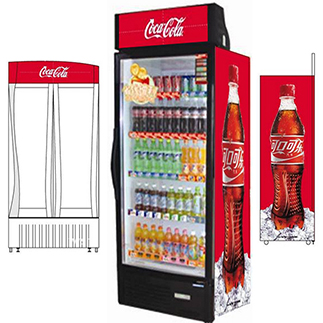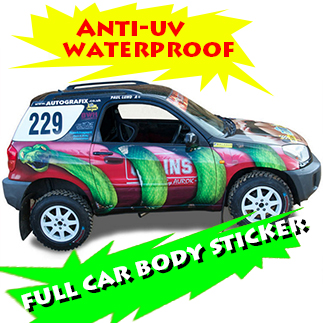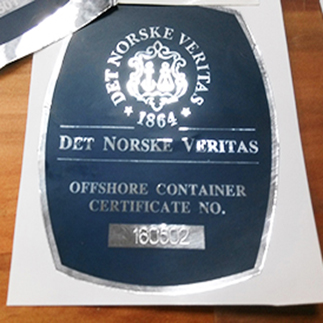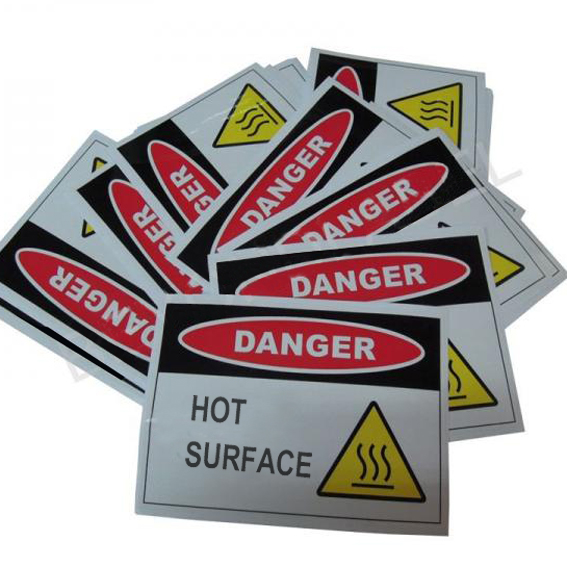
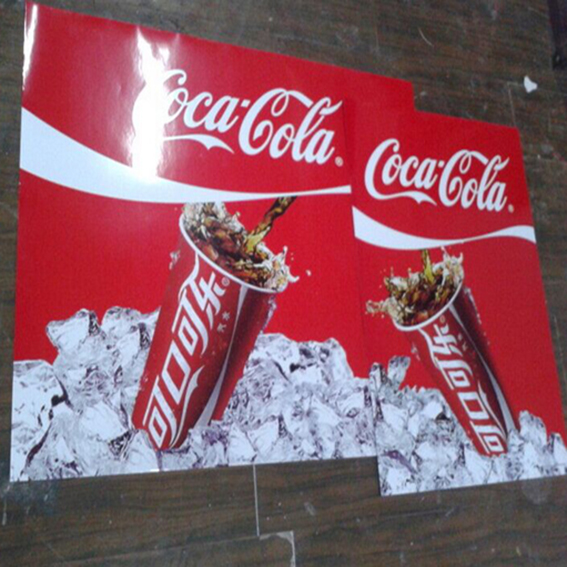
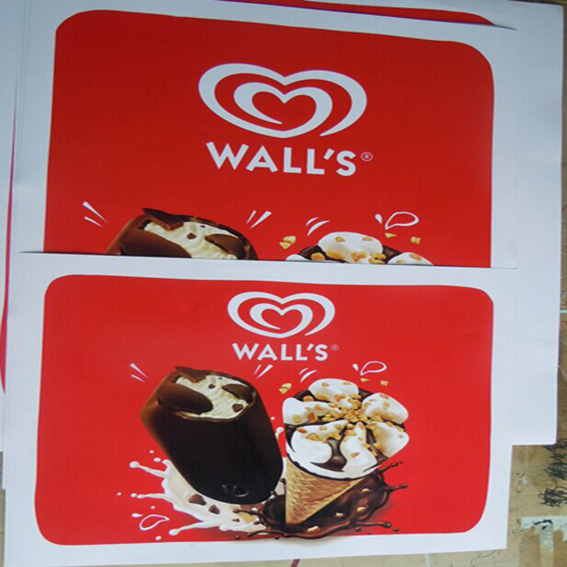
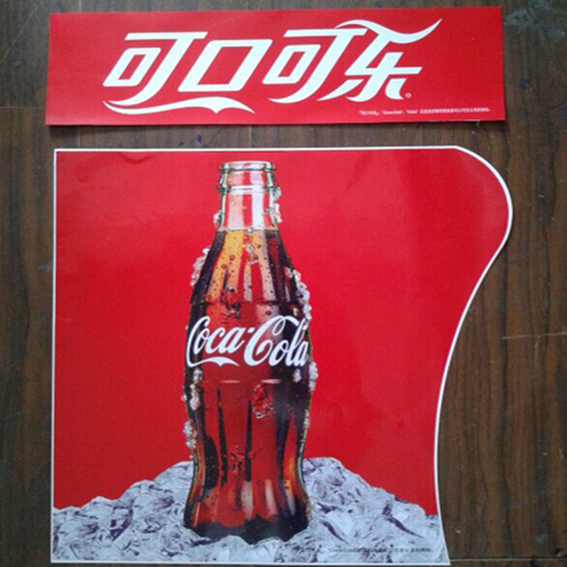
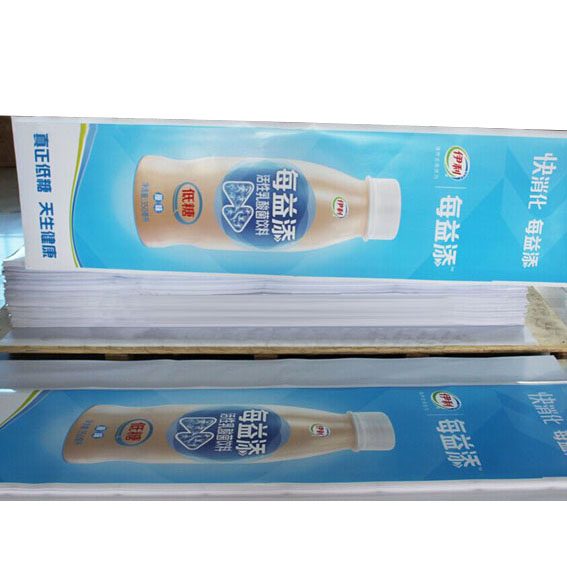
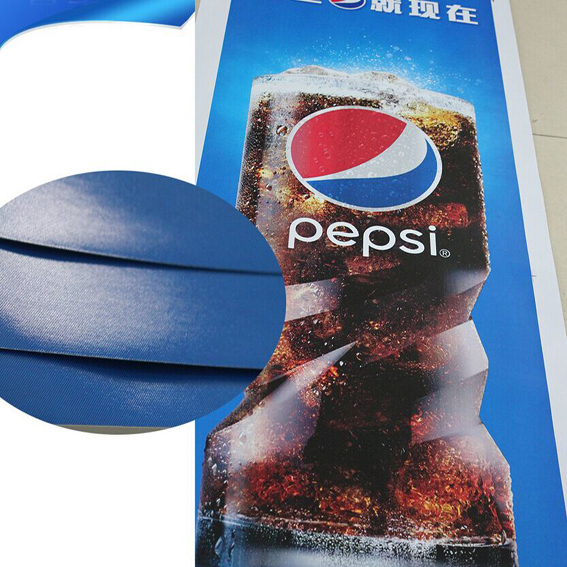
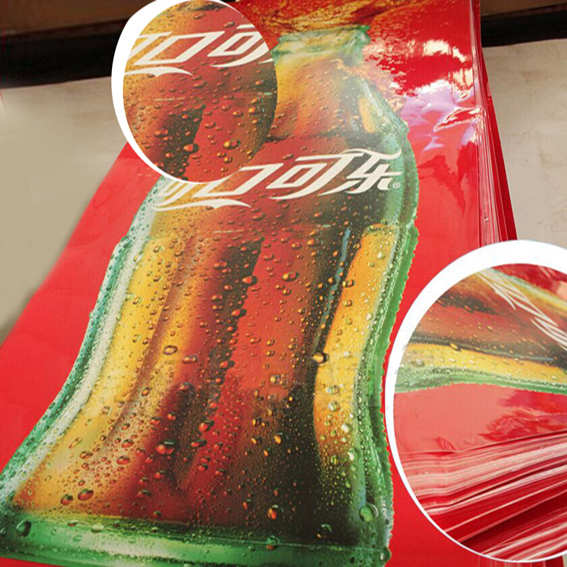
We print custom vinyl stickers and high-tack safety labels for industrial, outdoor and retail use. Our high-tack adhesive bonds securely to rough, low-energy and slightly oily surfaces where standard stickers fail.
Experience top-notch large format printing for safety signs, fire signage, prohibition signs, and hazardous warnings. Our commitment to quality includes using the best materials with high tack performance, ensuring durability even on rough surfaces. From safety warning labels and jams jar warnings to private labels, care labels, and security labels, we utilize premium 3M & Avery sticker label mate
| Face material | 100 micron white calendered PVC vinyl, gloss or matte |
|---|---|
| Face thickness range | 80 micron polymeric to 160 micron heavy duty |
| Adhesive | High-tack permanent solvent acrylic, 22-28 N/25 mm peel on glass |
| Liner | 140 gsm PE-coated silicon paper; 100-120 gsm on request |
| Print methods | Screen printing, UV flatbed, eco-solvent digital |
| Service temperature | -30 C to +100 C, applied above +10 C |
| Outdoor durability | 3-4 years vertical exposure; longer with laminate |
| Standard sizes | Custom die-cut, 50 mm round up to 300 x 400 mm sheets |
| MOQ | 500 pieces, mixed designs accepted |
PC, PMMA,ABS,PP,3M, PVC(polyvinyl chloride),PE(polyethylene),PET(Polyethylene Terephthalate),PS(Poly Styrene),PP(Propene Polymer),etc
PVC,PE,PET,PP: 0.175—6.0mm (matt, anti-glare, anti scratch, anti-UV)
Anti-UV,anti-glare surface, anti-fog surface, anti-fingerprint surface, gloosy surface, frosted surface
Advantage: Glossy surface, colorful printing appearance, good texture, safety and eco-friendly
High-tack vinyl stickers usually carry a safety message, so the print has to survive the same conditions as the surface it sits on. For long runs and solid safety colours we screen print: the ink layer is thick, fully opaque over a white base, and holds a sharp edge on small pictograms. Screen printing also gives tight control of Pantone reds, yellows and greens across a batch, which matters when a buyer is matching an existing sign family. For shorter runs, variable data or photographic artwork we switch to UV flatbed or eco-solvent digital printing, then laminate the face.
The print method is only half of the decision, because the adhesive drives the rest. A high-tack solvent acrylic needs a fully cured ink film, otherwise residual solvent softens the adhesive at the die-cut edge and the sticker curls within weeks. We cure, condition, then cut. Where a sticker sits on powder-coated steel or textured ABS we add a cast laminate rather than a calendered one, because cast film follows the surface texture instead of fighting it.
Machine builders and plant maintenance teams use high-tack labels on powder-coated frames, textured ABS housings and surfaces carrying a light film of oil. Standard permanent adhesive often lifts at the corner within a season on these substrates. The high-tack acrylic grips immediately and keeps cross-linking over the first 24 hours, so the bond gets stronger after application. We die-cut to the fixing area and add a matte laminate to cut glare under factory lighting.
We print safety signs to the layout, colour and pictogram set you supply, including ANSI and ISO 7010 formats, without claiming certification we do not hold. Typical jobs are machinery hazard labels, lockout points, chemical storage marking and site rules boards. Wording, language and symbol size are set from your artwork, and we return a proof at final size so you can check legibility from the distance the sign will actually be read.
Retail and packaging buyers increasingly ask for lower-impact sticker options. We print on PVC-free and recycled-content face stocks where the application allows, use eco-solvent inks, and keep liner and carton board recyclable. These stickers suit jar seals, produce labels, coffee bags and gift packaging. If the sticker has to survive a chilled cabinet or a hot-fill line, tell us the condition and we will recommend a face and adhesive combination rather than guess.
Utility companies, waste contractors and telecoms teams mark poles, bins, cabinets and drums that live outdoors for years. We combine a 100 micron white vinyl with a high-tack acrylic and a UV laminate so the barcode or asset number stays readable after sun, rain and cleaning. Where the surface is curved or riveted we supply smaller individual labels rather than one large panel, which removes the lifting that comes from forcing flat film around a tight radius.
Colour is approved against a Pantone reference on the actual face stock, not on coated paper, because white vinyl shifts a match slightly. We issue a pre-production sample for sign-off, then hold the approved sheet as the batch standard. In-process and final inspection follow AQL 2.5 across major and minor defects, with a 24-hour adhesion pull on the customer substrate, an edge-curl check after conditioning, and a water immersion check for outdoor grades. Third-party inspection such as SGS is welcome at any stage.
Stickers ship kiss-cut on sheets, individually die-cut in polybags, or on rolls with your core size and winding direction. Cartons are export grade with a moisture barrier where needed, inner labels carry design, size, quantity and batch, and pallets are corner-protected and strapped for sea freight. We pack to survive transit rather than to save carton cost.